5 Signs Your Car Battery Is Dying in Havre, MT
Few things ruin a morning faster than turning the key in a Havre parking lot and hearing nothing but a slow, tired crank. Along the Hi-Line, a weak battery rarely gives you a convenient time to fail — it waits for a January cold snap on US-2, a dark evening near MSU-Northern, or a grocery run out to Chinook. The good news is that a dying battery almost always warns you first. If you learn to read those warnings, you can replace the battery on your schedule instead of standing in the wind on the shoulder waiting for a jump.
At Havre Towing we run 24/7 jump start and battery service across Havre and all of Hill County, and dead-battery calls are one of the most common reasons drivers phone us — especially between November and March. This guide walks through the five clearest signs your car battery is dying, why our local climate makes them worse, and exactly what to do when the battery finally quits.
1. The Engine Cranks Slowly When You Start It
The single most reliable sign of a dying battery is a slow, labored crank. A healthy battery spins the starter quickly and the engine catches almost immediately. When the battery is failing, that crank drags — you hear a drawn-out rrr-rrr-rrr before the engine finally fires, if it fires at all. Cold mornings exaggerate this because a chilled battery delivers far less current. If your car cranks noticeably slower than it did last month, or slower on cold days than warm ones, the battery is losing its ability to hold a charge.
Pay attention to the pattern. A battery that cranks fine at noon but struggles at 6 a.m. in a Havre winter is telling you its cold-cranking amps have dropped below what the engine needs. That gap only widens as temperatures fall toward the single digits we regularly see near the Bear Paw Mountains.
2. Dim Headlights and Flickering Dashboard Lights
Your battery does more than start the car — it stabilizes the electrical system. When it weakens, the first visible symptom is often lighting. Headlights that look dim or yellowish when idling, then brighten when you rev the engine, point to a battery that can no longer supply steady voltage. Inside the cabin, watch for dashboard lights that flicker, a dome light that fades, or a radio and infotainment screen that reset or dim when you start the engine.
These symptoms are easy to shrug off, but they compound. A battery struggling to run your lights and accessories is a battery on its way out, and it will eventually leave you stranded on a dark stretch of US-87 or a side road out toward Rudyard.
3. The Battery Warning Light Is On
That little battery-shaped icon on your dash is not a suggestion. When it glows while you drive, it means the charging system voltage has drifted outside the normal range — usually because the battery is failing, the alternator is not keeping up, or a connection has corroded. Some drivers assume the light only means a bad alternator, but a battery that can no longer accept and hold a charge will trip it too.
If that light comes on, treat it as a countdown. The vehicle may keep running for a while on whatever charge remains, but once that reserve is gone the engine will stall and may not restart. If you see the battery light while driving through Havre, it is far safer to get the system tested that same day than to gamble on one more cold start.
4. A Rotten-Egg Smell or a Swollen Battery Case
Sometimes a dying battery gives you a warning you can smell. A sulfur or rotten-egg odor around the engine bay often means the battery is overheating and venting hydrogen sulfide gas — a sign of internal failure or overcharging. Pop the hood in daylight and take a look: a battery case that looks bloated, swollen, or bulging on the sides has been cooked by temperature extremes, and Havre delivers plenty of those, from sub-zero winter nights to hot July afternoons.
Corrosion is another visible clue. A crusty white, blue, or greenish buildup on the terminals interferes with the connection and accelerates battery decline. Light corrosion can sometimes be cleaned, but combined with any of the other signs on this list, it is a strong hint the battery is near the end. According to the NHTSA vehicle safety guidance, keeping your electrical and charging systems in good order is a basic part of safe, reliable operation — and the battery sits at the heart of that system.
5. The Battery Is More Than Three Years Old
Age alone is a warning sign. Most car batteries last three to five years, but that range assumes a mild climate. Havre is not mild. The deep freezes along the Milk River valley and the temperature swings that come with life on the Hi-Line are hard on batteries, so many local vehicles need a new battery closer to the three-to-four-year mark. Extreme cold slows the chemical reaction inside the battery, and extreme heat speeds up the internal wear — our winters and summers hit both ends.
If you do not know how old your battery is, check the manufacture date stamped on the case. Once you are past three years, get it load-tested before winter rather than after your first no-start. A quick test at a shop or parts store tells you whether the battery still delivers rated cranking power or whether it is quietly running out of life.
What to Do When Your Battery Finally Dies in Havre
Even careful drivers get caught. If you turn the key and get a rapid clicking sound or complete silence, the battery has likely given out. Try your headlights: if they are dead or very dim, that confirms it. Do not crank the starter over and over — repeated attempts drain the battery further and can foul the engine.
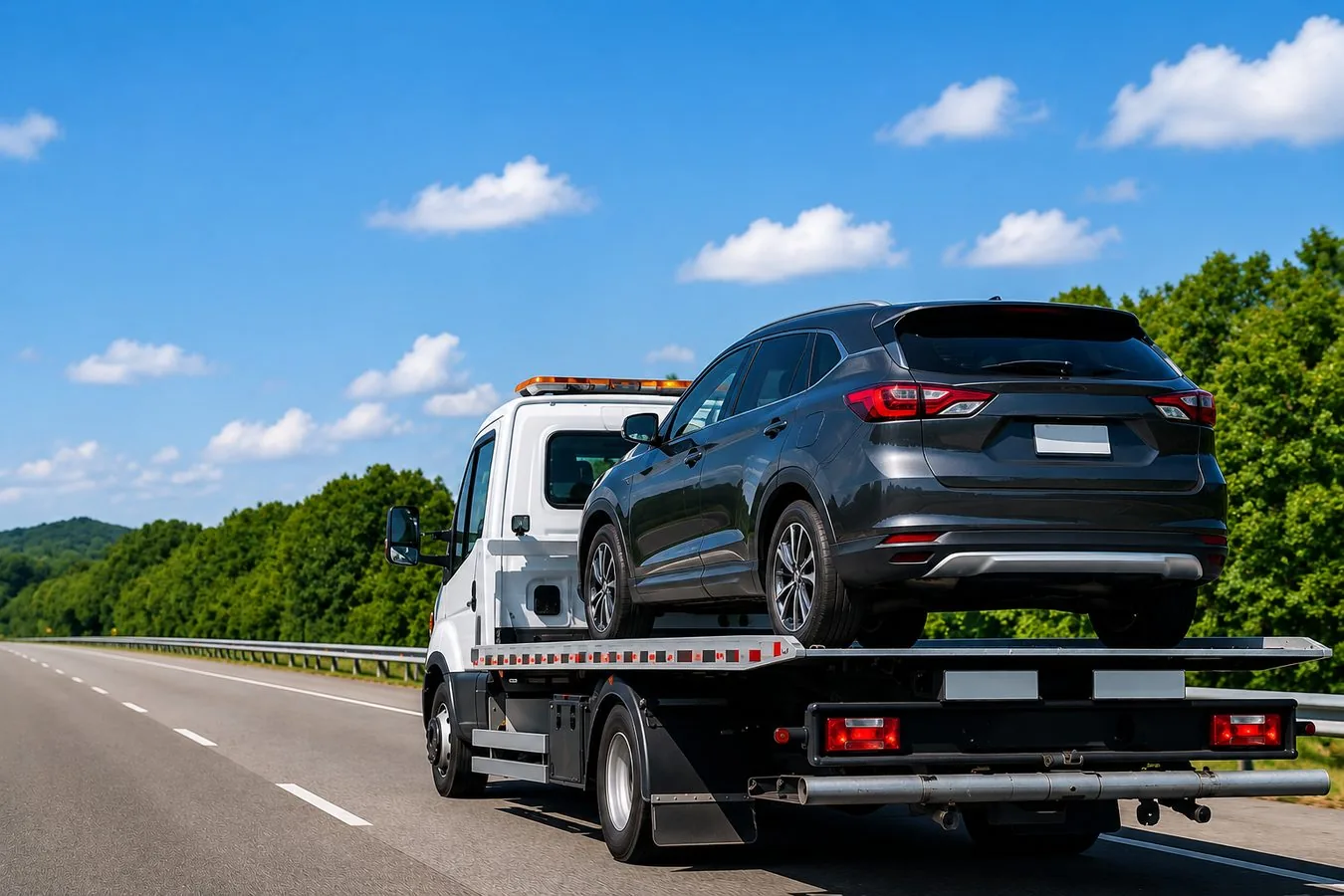
A jump start will usually get you moving again if the battery is merely discharged. But if the battery is truly at the end of its life — swollen, corroded, or years past its date — a jump may only be a temporary fix, and the car can die again the moment you shut it off. That is where a local towing company earns its keep. Havre Towing sends a 24/7 roadside truck for jump starts, and if the battery or charging system has failed for good, our licensed and insured drivers use flatbed and wheel-lift equipment to move your vehicle safely to the shop of your choice. We are DOT compliant and typically reach drivers across Havre and Hill County in 30 to 45 minutes.
Dead Battery? We'll Get You Rolling — 24/7
Fast jump starts and battery towing across Havre, Chinook, Harlem & all of Hill County. Licensed, insured, and DOT compliant.
Call (615) 241-0232Frequently Asked Questions
How long should a car battery last in Havre, MT?
Most car batteries last three to five years, but Havre's cold Hi-Line winters shorten that. The hard freezes along US-2 and the Bear Paw foothills force the battery to work harder, so many local drivers see three to four years before a replacement is needed. If your battery is past three years and showing warning signs, have it load-tested before winter.
Can you jump start my car anywhere in Hill County?
Yes. Havre Towing runs 24/7 jump start and battery service across Havre, Chinook, Harlem, Box Elder, Rudyard, Gildford, Hingham and the surrounding Hill County roads. Typical response time is 30 to 45 minutes. If the battery is fully dead or the charging system has failed, our licensed and insured drivers can flatbed the vehicle to your shop of choice. Call (615) 241-0232.
When was the last time you had your battery tested before a Montana winter?