Car Overheating in Havre, MT? Do This Right Away
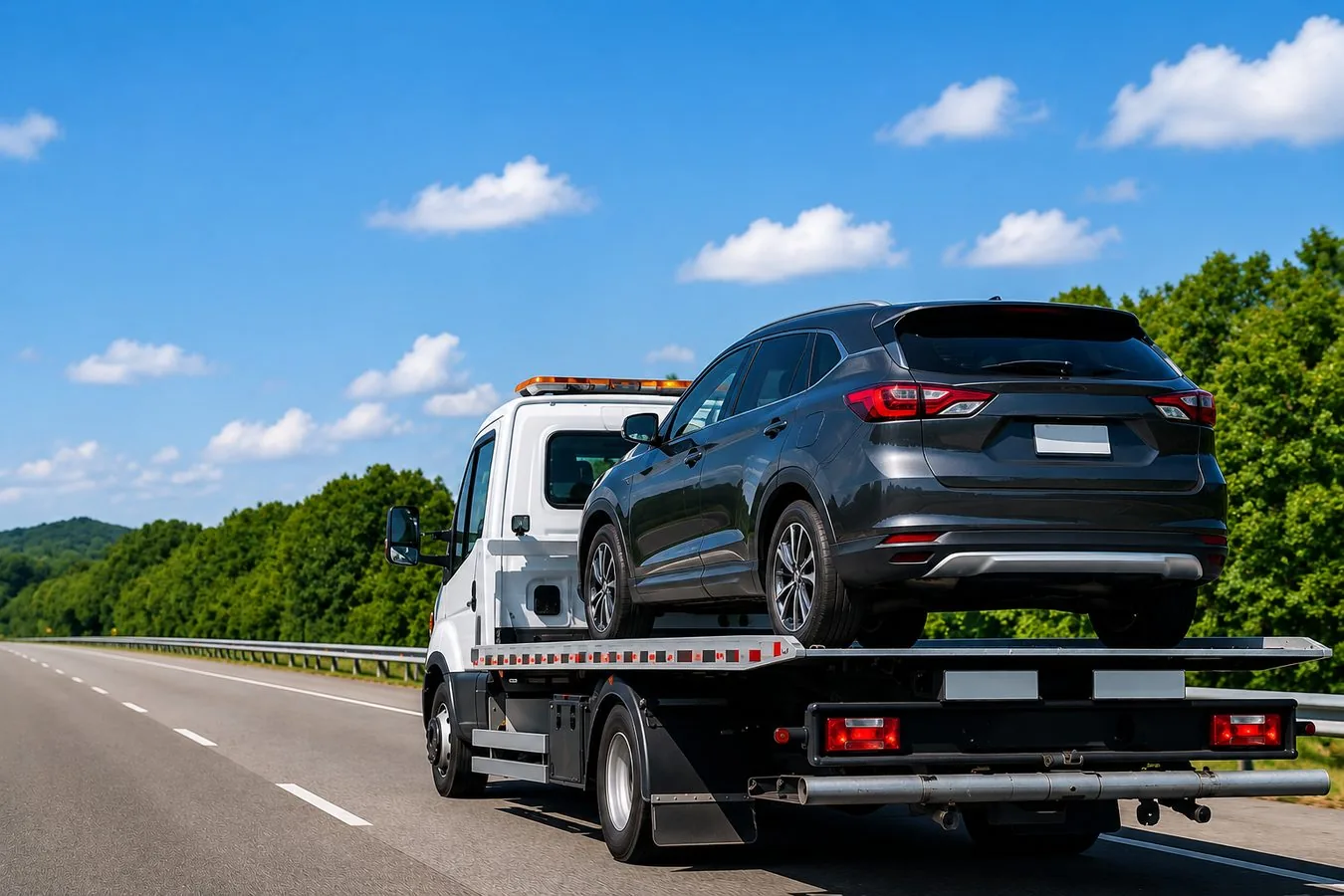
You are driving down 1st Street or heading out US-2 toward Chinook when the temperature needle starts creeping toward the red. Maybe you catch a whiff of hot coolant, or a thin wisp of steam curls out from under the hood. It is one of the most common and most nerve-racking things that can happen on the road, and how you react in the next five minutes decides whether you walk away with a simple repair or a cracked engine block.
This guide walks Havre and Hill County drivers through exactly what to do the moment a car starts overheating, what to avoid, and when the smart move is to stop driving and call a tow. As a local 24/7 towing and roadside recovery company, we run these calls year-round across the Hi-Line, so the advice below comes straight from what we see out on the road.
Why Cars Overheat on the Hi-Line
An engine overheats when its cooling system can no longer carry heat away as fast as the engine makes it. Around Havre, a few causes come up again and again. Low coolant is the most common, whether from a slow leak, a loose cap, or a system that was never topped off before a long summer drive. A failing thermostat that sticks shut will trap heat almost instantly. A worn water pump, a split radiator hose, or a radiator clogged with road grime and bugs from the highway all choke off the flow of coolant.
Montana weather adds its own stress. In the heat of a July afternoon, idling in traffic or climbing toward the Bear Paw Mountains gives the cooling system very little airflow to work with. In winter, a low coolant mix can freeze and block circulation, and a stuck-open thermostat can trip warning lights just as easily. Long, empty stretches between towns mean a small cooling problem can become a stranded vehicle before you reach the next exit.
What To Do the Moment Your Temperature Gauge Climbs
The goal is simple: get heat out of the engine and get yourself somewhere safe. Work through these steps in order.
- Turn off the air conditioning. The AC compressor adds a real load to the engine and makes heat worse. Shut it off the second you see the gauge climb.
- Turn the heater on full blast. It feels backward on a warm day, but the heater pulls heat out of the engine and into the cabin. Roll the windows down and let it dump that heat. This one trick buys you time.
- Find a safe place to pull over. On US-2, US-87, or any Hill County road, signal early and get well onto the shoulder, away from traffic. Put on your hazard lights.
- Shut the engine off and wait. Once you are safely stopped, turn the engine off to stop it from making more heat. Let it sit. A hot engine needs at least 20 to 30 minutes before anything under the hood is safe to touch.
- Check the gauge and look, do not touch. After it cools, you can glance for obvious leaks or steam. Do not open anything yet.
What NOT To Do When Your Engine Overheats
The wrong move here can hurt you or wreck the engine. Keep these firmly in mind.
- Never open the radiator cap on a hot engine. The cooling system is under pressure, and releasing it hot can spray scalding coolant and steam. The safety experts at AAA recommend waiting until the engine is completely cool before you even think about the cap.
- Do not keep driving to save time. Pushing an overheated engine another few miles to get home is the single most expensive mistake drivers make. Metal parts expand, gaskets fail, and a small fix becomes a major one.
- Do not pour cold water on a hot engine. The sudden temperature change can crack the block or the cylinder head.
- Do not ignore a warning light. If the coolant or temperature light comes on, treat it as real and act right away.
When Overheating Means You Need a Tow in Havre
Sometimes the fix is as simple as adding coolant once the engine cools. But there are clear signs that the safe choice is to stop driving and get a flatbed tow. Call for a tow if the gauge stays in the red after the engine cools, if coolant is pooling under the car, if steam keeps rising, or if the engine runs rough, knocks, or will not restart. Any of these points to damage that driving will only make worse.
A flatbed tow is the right call for an overheated engine because it lifts all four wheels off the ground and carries the vehicle without running the drivetrain. Our licensed and insured operators arrive with DOT compliant equipment, load the car safely, and get it to your shop or home in Havre. Whether it is a wheel-lift for a quick move or a full flatbed for a longer haul, we match the truck to the job.
How We Respond to Overheating Calls Across Hill County
When you call, we ask for your exact location and a quick description of what happened, then dispatch the nearest operator. Across Havre and the surrounding Hi-Line communities, our typical response time is 30 to 45 minutes, and we run 24/7 because breakdowns do not keep business hours. We serve Havre, Chinook, Harlem, Box Elder, Rudyard, Gildford, and Hingham, plus the highways and back roads that connect them, from the Milk River crossings to the stretch past the Fresno Reservoir and MSU-Northern.
Beyond towing, our roadside assistance team can bring coolant or water, help you assess whether the car is safe to move, and get you back on the road or to a mechanic. If the overheating left you stranded far from home, we make sure you and your vehicle both get where you need to go. ZIP 59501 and every corner of Hill County is home turf for us.
Preventing Overheating Before Your Next Drive
A little maintenance keeps you off the shoulder. Check your coolant level regularly when the engine is cold and top it off with the correct mix. Have hoses and the radiator inspected before the peak of summer and again before deep winter. Replace the coolant on the schedule in your owner manual, and do not ignore a thermostat or water pump that a mechanic flags. Before a long drive across the Hi-Line, a two-minute glance under the hood can save you a very long wait on the roadside.
Overheating and Stranded? We Come to You 24/7
Do not risk your engine. Our licensed, insured flatbed operators reach most of Havre and the Hi-Line in 30 to 45 minutes.
Call (615) 241-0232 NowFrequently Asked Questions
Can I keep driving my car a short distance if it is overheating in Havre?
It is risky. A few blocks at low speed with the heater on may get you off a busy stretch of US-2, but driving a truly overheated engine can warp the head or blow the head gasket, turning a cheap fix into a rebuild. If the temperature gauge is pegged or you see steam, pull over safely and call for a flatbed tow instead of pushing it.
How fast can Havre Towing reach me if my engine overheats?
We are available 24/7 and typically reach drivers in Havre and along the Hi-Line within 30 to 45 minutes. If you are stranded near Chinook, Harlem, Box Elder, Rudyard, or the Fresno Reservoir, call (615) 241-0232 and we will dispatch a licensed and insured operator with a flatbed to your exact location.
Have you ever had a car overheat on a Montana highway? What did you do while you waited for help?